
Key points to remember
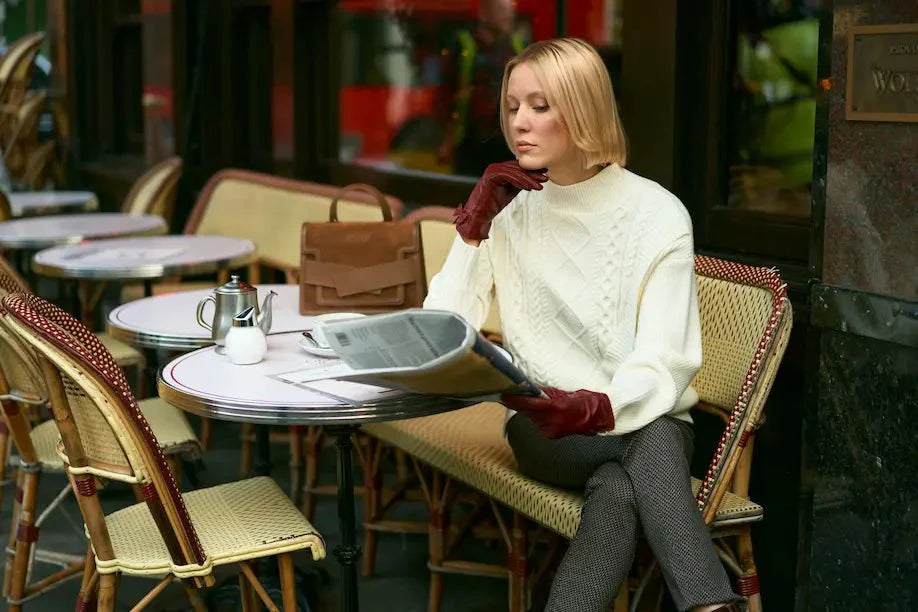
- For a chic everyday silhouette, play with shades (pearl, medium gray, charcoal) and vary the tones rather than making everything uniform
- To modernize trousers in a light shade, opt for pastel tones or a neutral palette (ecru, beige, soft blue), simple and elegant.
- For more originality, introduce patterns (checks, fine stripes, houndstooth): they add dimension without overwhelming the silhouette.
- Depending on the season, the approach changes: in winter, favor deep tones; during the transitional seasons, dare to wear brighter shades (mustard, khaki, burgundy) to enhance the elegance of the pieces.
Gray is an essential wardrobe staple: it structures a silhouette, brings natural elegance, and allows for endless pairings. This is precisely what makes it such an easy color to adopt… and sometimes difficult to liven up. So the question is which color works best with gray, depending on the shade (light or dark), the garment (trousers, coat, dress), and the desired effect, to also create an elegant and balanced spring look.
The goal is not simply to “pair a color with gray,” but to create balance: brighter, softer, more contrasting, or more sophisticated.
Why choose gray?
This color has the advantage of being both neutral and expressive. Depending on its shade, it can suggest softness (pearl, light), modernity (steel), or depth (charcoal). It highlights cuts, reveals the character of fabrics (tweed, wool, knit, satin), and naturally fits into seasonal palettes.
The benefits of gray in your wardrobe
- Versatility: it suits everyday outfits as well as more dressed-up looks.
- Instant elegance: especially in trousers or a coat, it adds structure without being as harsh as black.
- Easy to pair: it works just as well with neutral tones as with bold shades.
Its pairings: an endless palette
Pairing it with white: a minimalist, luminous duo
For those who love streamlined silhouettes, white is the safest pairing. It brightens it and emphasizes its clean, modern appearance, particularly with a light shade.
Black: timeless elegance
Black adds depth and creates a very urban, highly polished look. To avoid an overly “closed-off” appearance, the balance comes from textures and shades: heather gray with deep black, or charcoal with black.
Pink: subtle femininity
Pink brings an instant delicacy to gray: powder pink brightens light grays, while more intense pinks (raspberry, fuchsia) pair better with a medium or dark shade.
Beige: chic, soft, naturally refined
Beige, ecru, sand, or camel: these shades soften gray and create a very contemporary elegance. This is an ideal combination if you like neutral, sophisticated, easy-to-wear palettes.
Red: a striking contrast
Red is perfect if you are looking for a bolder combination: it gives gray character, while gray makes red easier to wear.
Navy blue: sophistication and balance
Navy blue is a softer alternative to black. With gray, it creates an elegant, structured, always-polished silhouette.
Yellow: the energy of a luminous contrast
Yellow, especially in mustard, warms up gray. It adds energy without requiring a complex outfit: a single piece or an accessory is enough.
Bright colors: modernity with restraint
Gray is one of the best “backdrops” for bold colors (emerald green, electric blue, fuchsia). To maintain an elegant harmony, choose just one bright color in the outfit.
How should you match it to your complexion and style?
Getting your color combinations right also means considering what is near your face: the shade, the color of the top, and the overall harmony. Two people can wear gray and pink and achieve very different results depending on the tone of pink, the depth of the gray, and the level of contrast that enhances the complexion.
Choosing gray based on your complexion
Without turning your wardrobe into a technical exercise, a few guidelines are enough:
- Cool undertones (often more harmonious with silver, blues, and certain pinks): opt for cool grays (pearl, bluish, or steel). They naturally pair with white, powder pink, navy blue, and light blue.
- Warm undertones (often enhanced by gold, camel, and warm browns): choose warm grays (greige, grayish taupe, “stone”). They pair perfectly with beige, cream, mustard yellow, terracotta red, and khaki green.
Tips for matching it to your hair
Hair color noticeably changes the overall effect, particularly with tops.
- Blond hair: light gray, pearl gray, or heather gray works very well with delicate shades (off-white, powder pink, soft blue). For a more graphic look, contrast it with navy blue, black, or deep red.
- Brown hair: medium and dark grays (steel, anthracite) create a structured look. With white, red, deep green, or navy blue, the result is particularly flattering.
- Red hair: favor warm grays (greige, taupe). They pair well with cream white, camel, mustard yellow, and forest green.
- Gray / silver hair : it all depends on the desired effect. For soft elegance, choose pearl gray with off-white. For more impact, choose a bold color to add dimension (midnight blue, fuchsia, deep green) against a gray base.
Gray by garment: how to wear it with style?
If you want to build a cohesive wardrobe, gray can easily be incorporated through a few key pieces:
- The trousers: straight-leg, cigarette, or loose-fitting, in flannel or a wool blend. Whatever the cut, they replace black with greater softness.
- The chic and original sweater: fine knit for layering, or a denser knit for structure.
- The jacket: blazer, short jacket, tweed… ideal for immediately creating a more polished look.
- The coat: a central piece, especially in a medium shade or anthracite, and easy to accessorize.
Color analysis: choosing according to the seasons
This color changes character with the season. Winter naturally suits deep grays and contrasts; spring favors lighter grays; summer benefits from pairing it with fresher shades; autumn calls for warmer hues.
Winter: opt for darker tones
In winter, charcoal, slate, and anthracite gray work particularly well: they create a dense, elegant base that is easy to wear with deep shades.
Spring: lighter, fresher tones
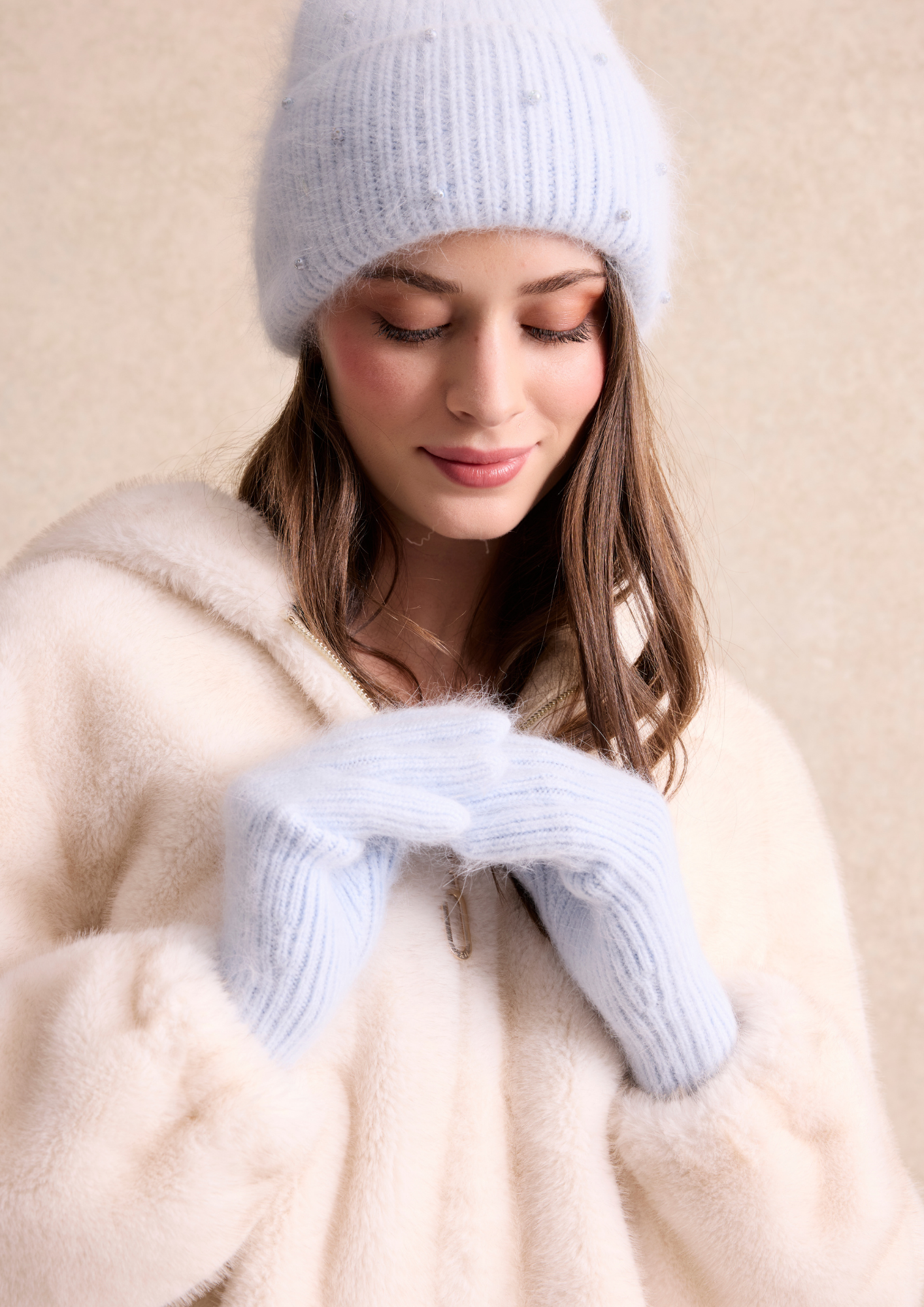
In spring, light gray becomes brighter and pairs perfectly with soft shades.
Summer: pair it with brighter colors
In summer, gray is an elegant base for wearing bolder colors without looking overloaded. It provides a clean framework for bright shades.
Autumn: warm and deep tones
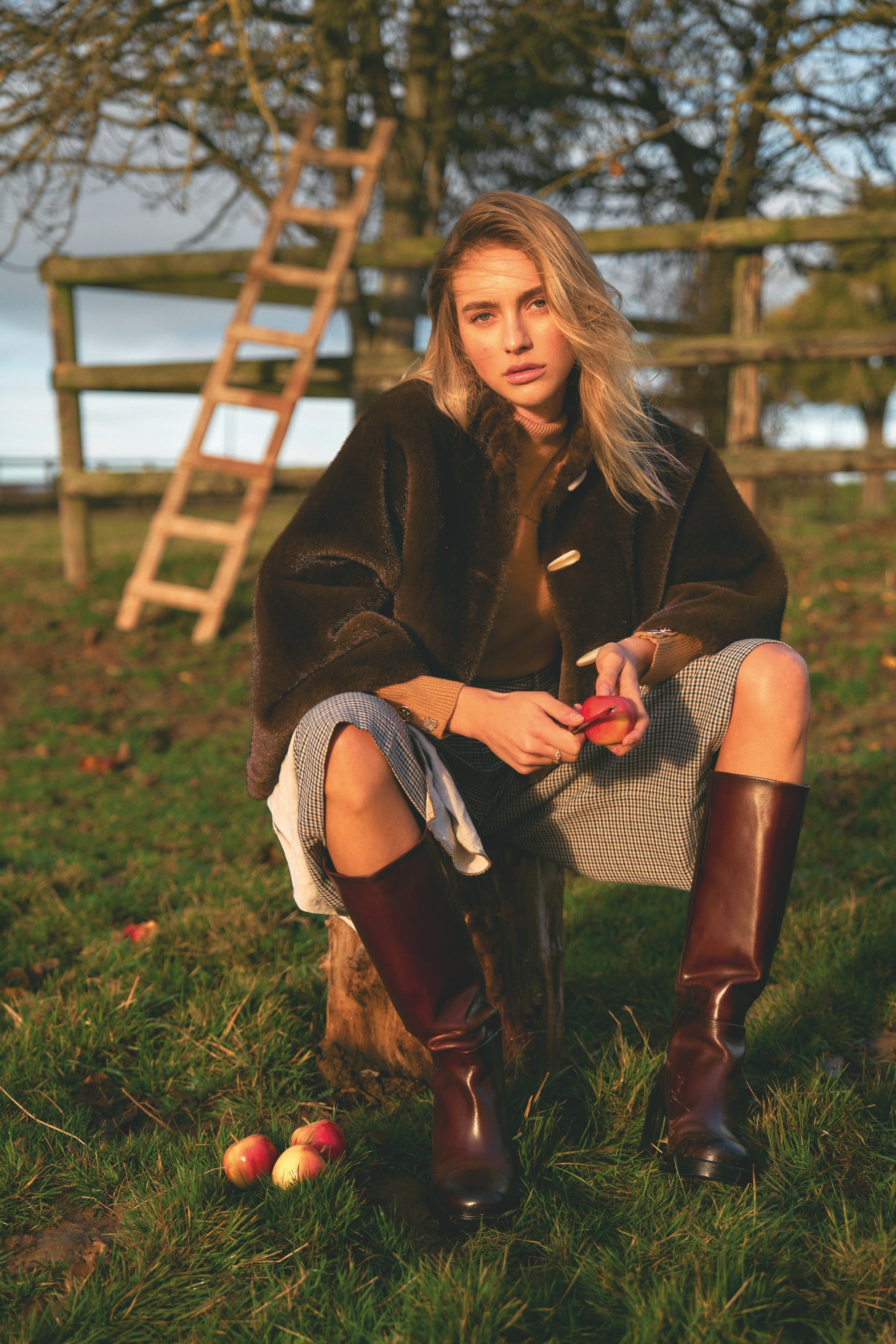
In autumn, favor grays leaning toward greige or taupe, which are warmer and harmonize with the season’s tones.
Style tips for incorporating gray into your outfits
It is not limited to “being easy to wear”. When handled well, it can be subtle yet highly considered. It all comes down to the details: texture, contrast, proportions, and tonal consistency.
Play with textures to add dimension
It particularly enhances the fabric. If you want a richer look without adding more colors, this is the most effective strategy:
- Gray + tweed: instantly more dressed-up and structured.
- Gray + satin: a highly elegant matte/shiny contrast.
- Gray + knitwear: softness and sophistication.
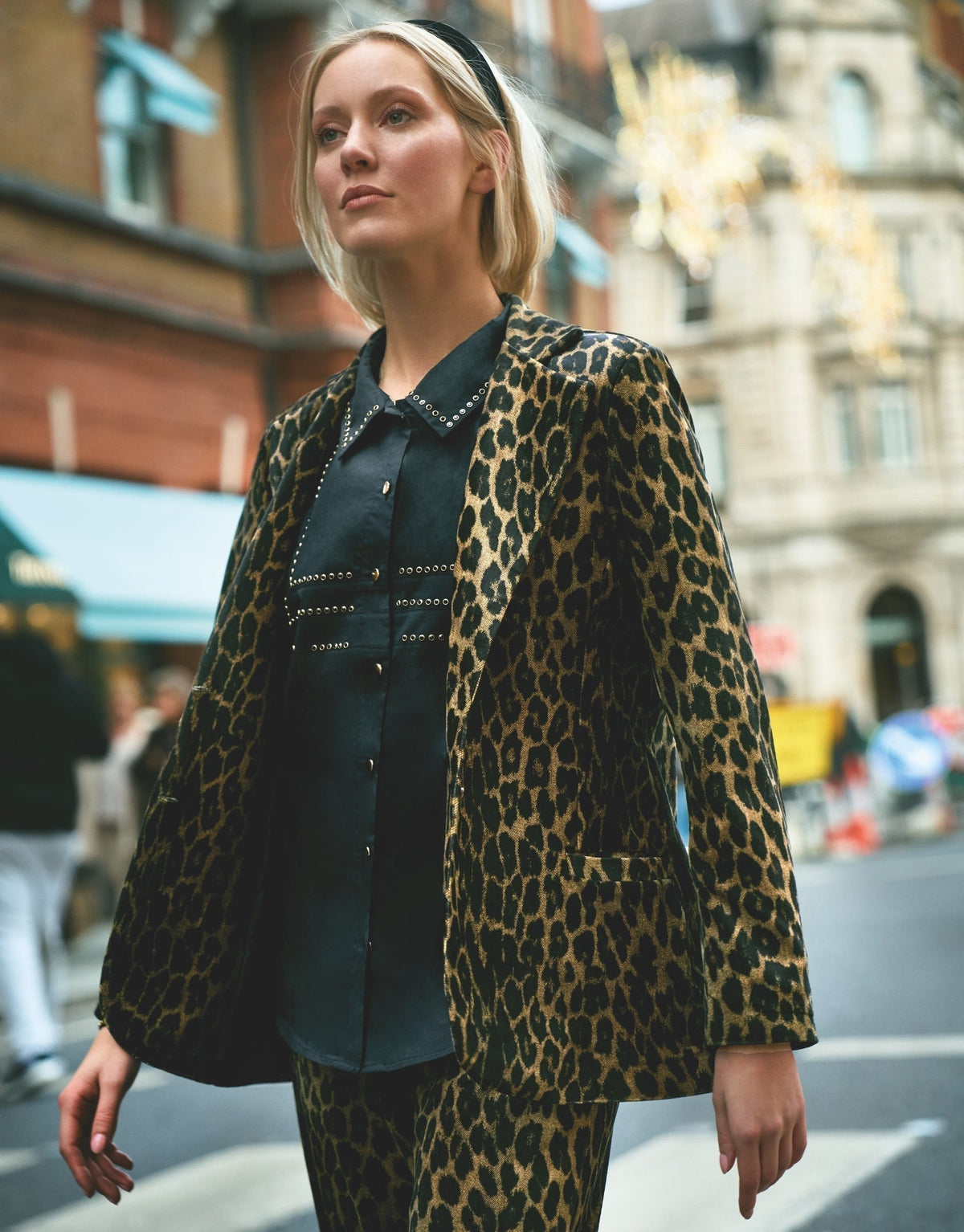
- Gray + leather: modernity, character, sharper lines.
A gray outfit featuring several textures looks more “thought-out” and more upscale, even with a minimalist palette.
Pairing it with patterns for added originality
Gray is an excellent base for patterns because it visually tones down the overall look.
- Plaids (Prince of Wales, subtle tartan): perfect for a jacket or trousers.
- Houndstooth: graphic yet classic.
- Fine stripes: very chic on trousers or a blazer.
- Prints: a printed scarf may be enough to add a personal touch.
Mistakes to avoid when pairing gray
- Everything in the same shade and the same fabric: this can lack dimension. Add texture, contrast, or a lighter/darker shade.
- Using too many strong colors: gray allows for bold choices, but works best when it remains the common thread. One dominant color is often enough.
- Forgetting about tonal consistency: a cool gray with a very warm beige can work, but requires balance (often through accessories or fabric). If you are just starting out, stick to a harmonized palette (cool gray + white/pink/blue; warm gray + beige/camel/mustard).
Gray is therefore a versatile color full of possibilities
It is one of the most useful and elegant colors in the wardrobe because it lends itself to every interpretation: minimalist with ivory, sophisticated with navy blue, warm with beige, bold with burgundy, bright with yellow. Simply adjust the shade and find the right balance to reflect your personality.