




FAQ to know everything about ceremony dresses: for a wedding, a chic evening, a baptism, or any other event
To find the ideal ceremony dress, start with the context: type of event (wedding, gala, baptism, cocktail, professional evening) and the expected style. This helps you narrow down your choice between a long, midi, or shorter cut, as well as between a very formal dress or a more discreet look. Then think about your preferences: do you prefer a more fluid or structured shoulder line, a defined waist or a straighter fall? The fabrics and details then make all the difference: satin, light silk, viscose, or high-quality cotton provide comfort while maintaining a beautiful appearance. You can also play with shades (powder tones, midnight blue, sage, timeless black) and some refined finishes: a touch of lace, a pleated veil, a thin belt, or well-shaped straps. In the end, regardless of the price or the level of formality of the event, the essential thing is that your ceremony dress matches your style, highlights you, and gives you a harmonious profile in which you will feel beautiful from the beginning to the end of the day.
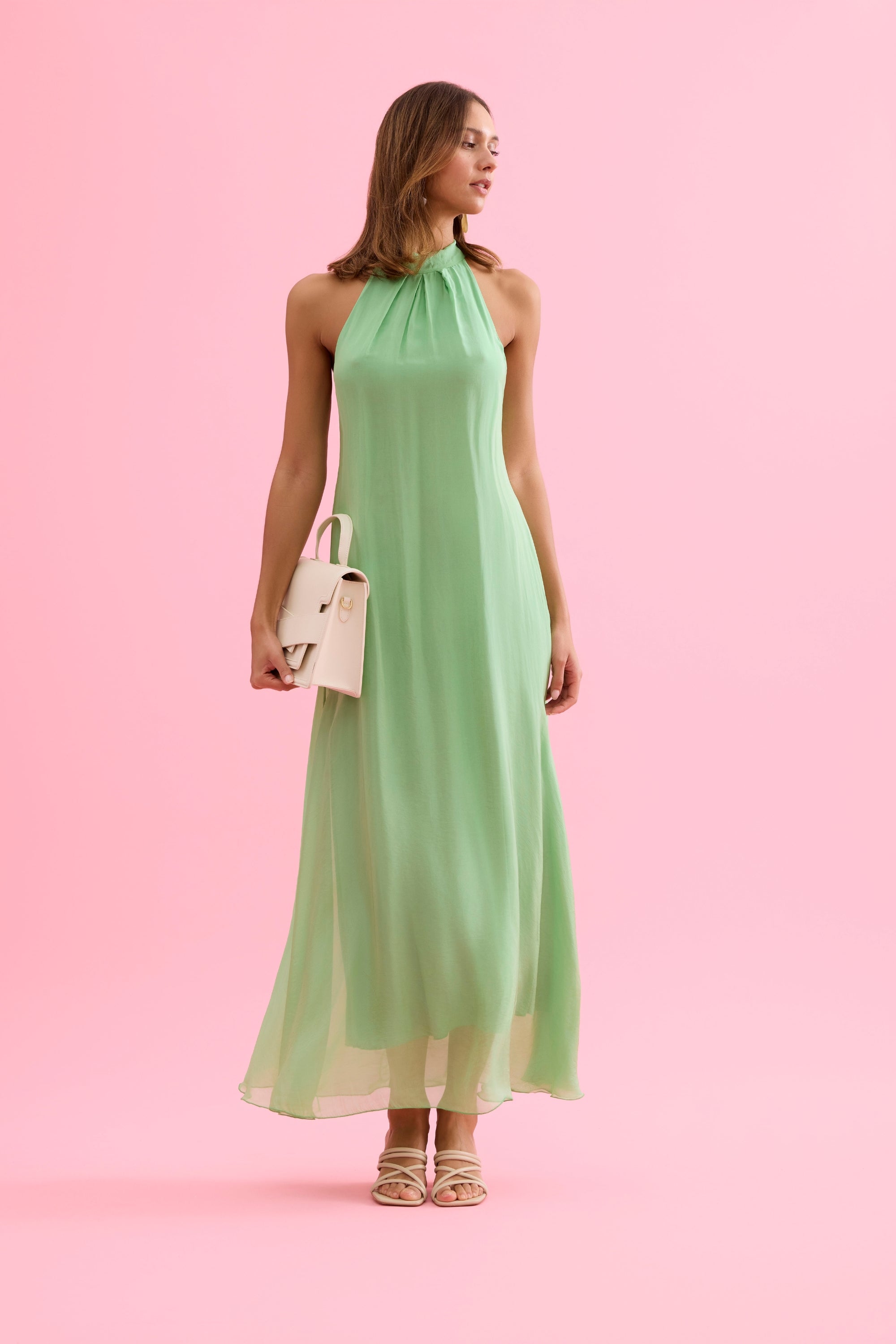
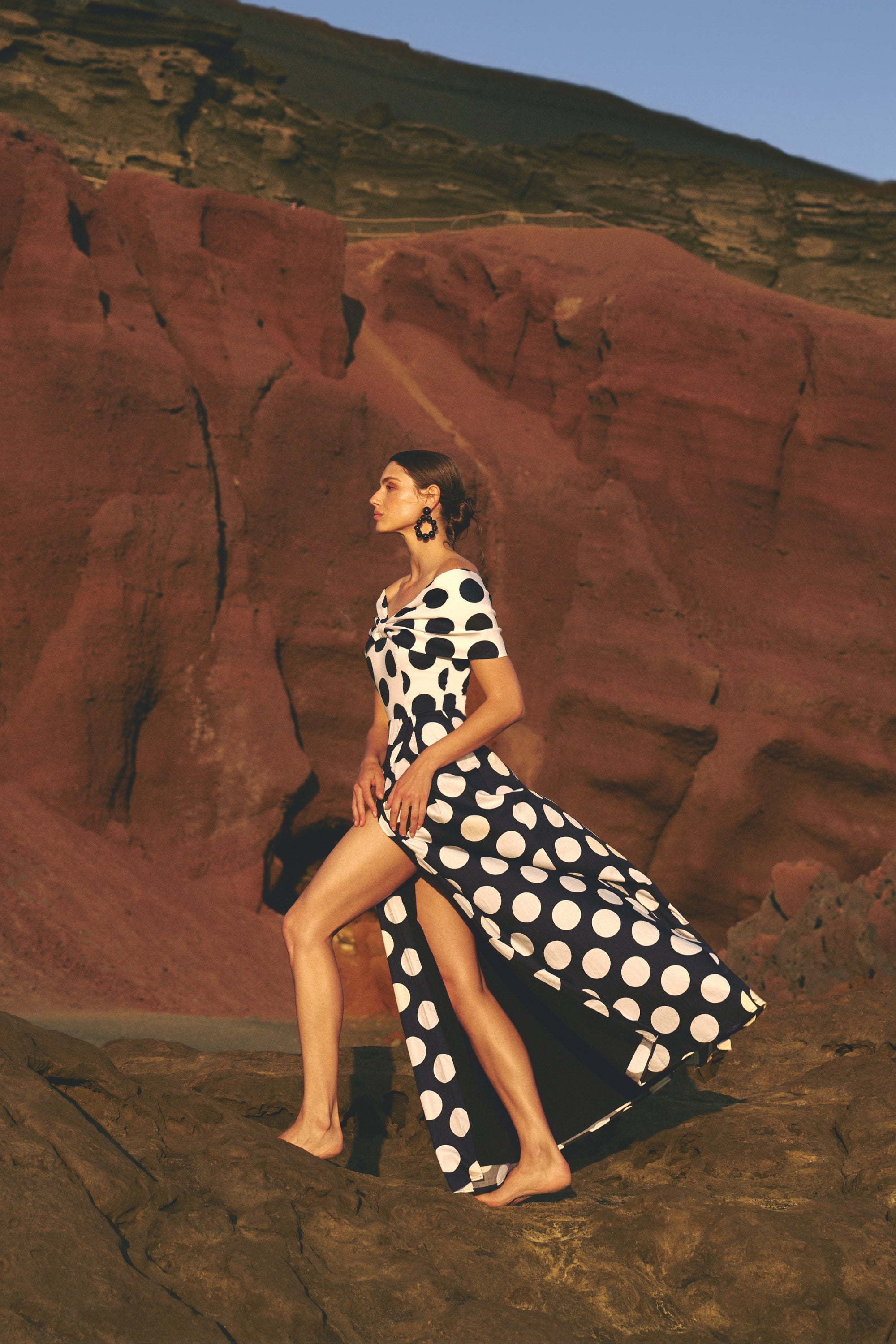
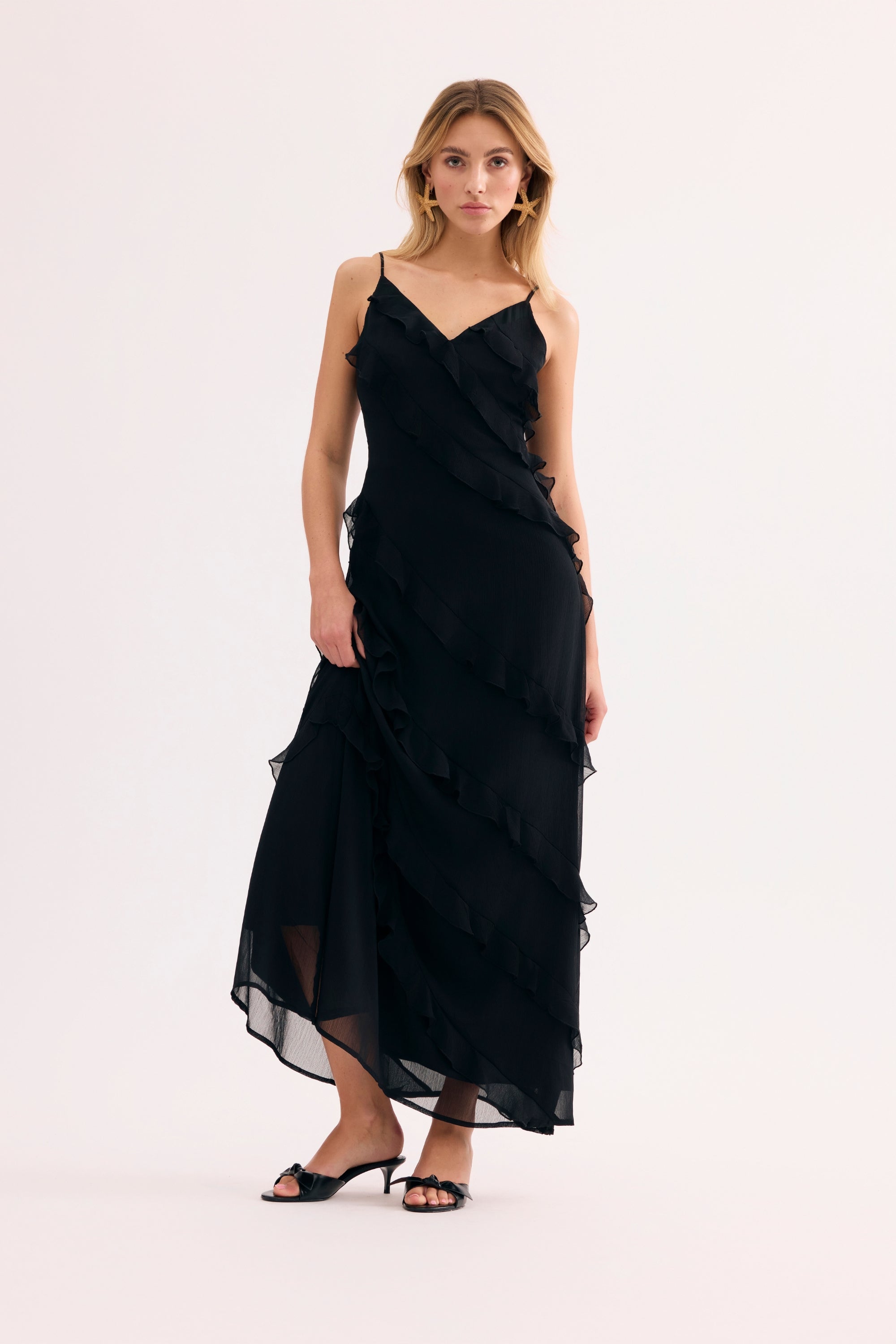
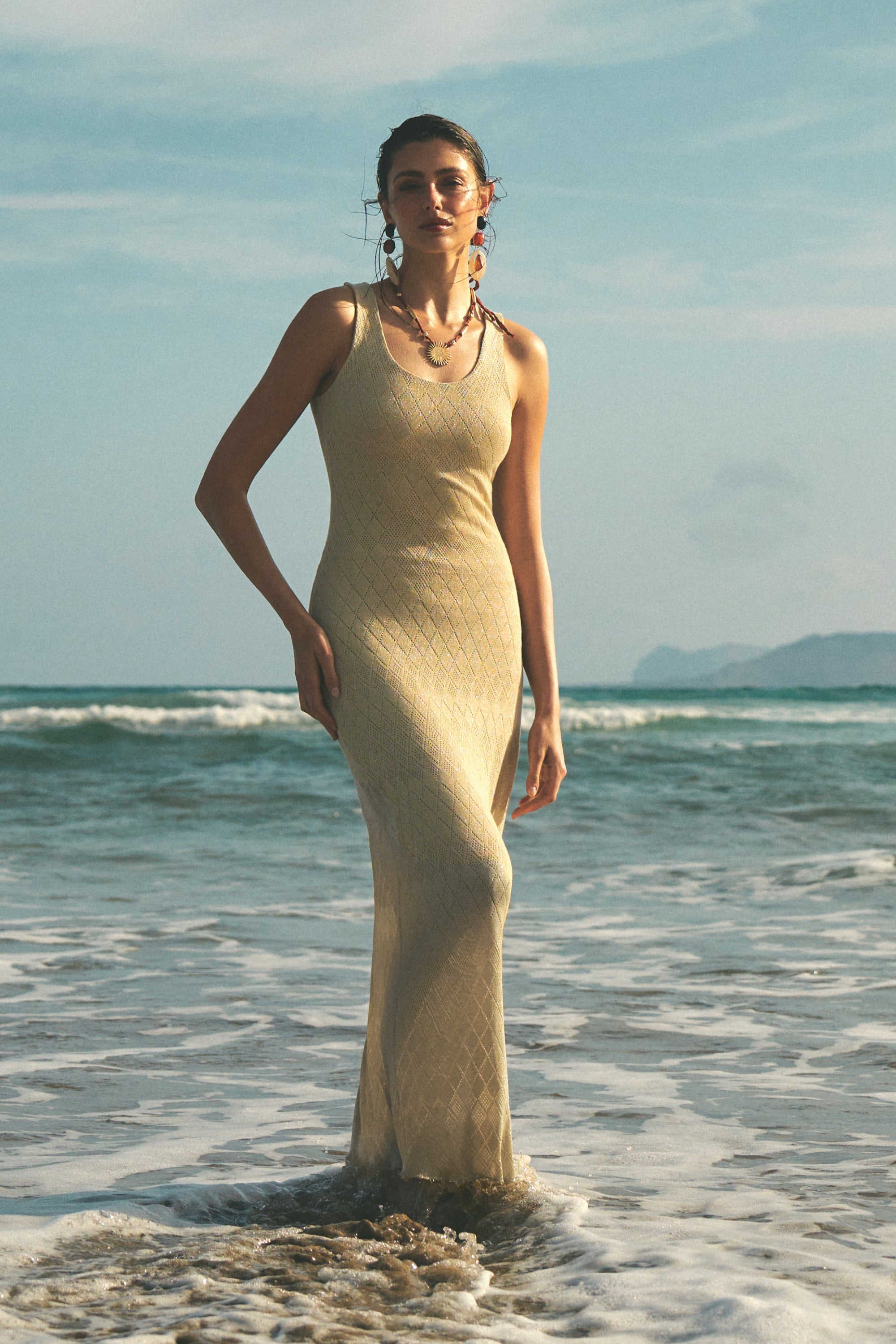
Current trends in evening dresses highlight a wide range of choices in the collection: fluid and feminine cuts, designed to follow movement while creating a beautiful silhouette. There are many long dresses and midi dresses for formal events, as well as cocktail dress styles, shorter and more structured. Subtle pleats, light veils, controlled transparency effects, graphic lace, or detailed backs are essential details for a modern evening outfit, whether for a wedding or a more intimate ceremony. In terms of materials, satin fibers, fluid silk, viscose, and some elegant cottons remain at the heart of the collection: they instantly add a chic touch to your dress.
Start by identifying what you love most about yourself: your shoulders, your waist, your legs, or your neckline. If you have a defined waist, a belted or wrap ceremony dress will be your best ally to highlight it with elegance. If, on the other hand, you prefer to soften the stomach or hips, opt for a slightly flared flowing dress that moves with you without clinging to your shape. A body-hugging dress can be ideal if you like structured looks: choose one in a quality fabric, neither too thin nor too stiff, to maintain a chic and comfortable drape throughout the ceremony.
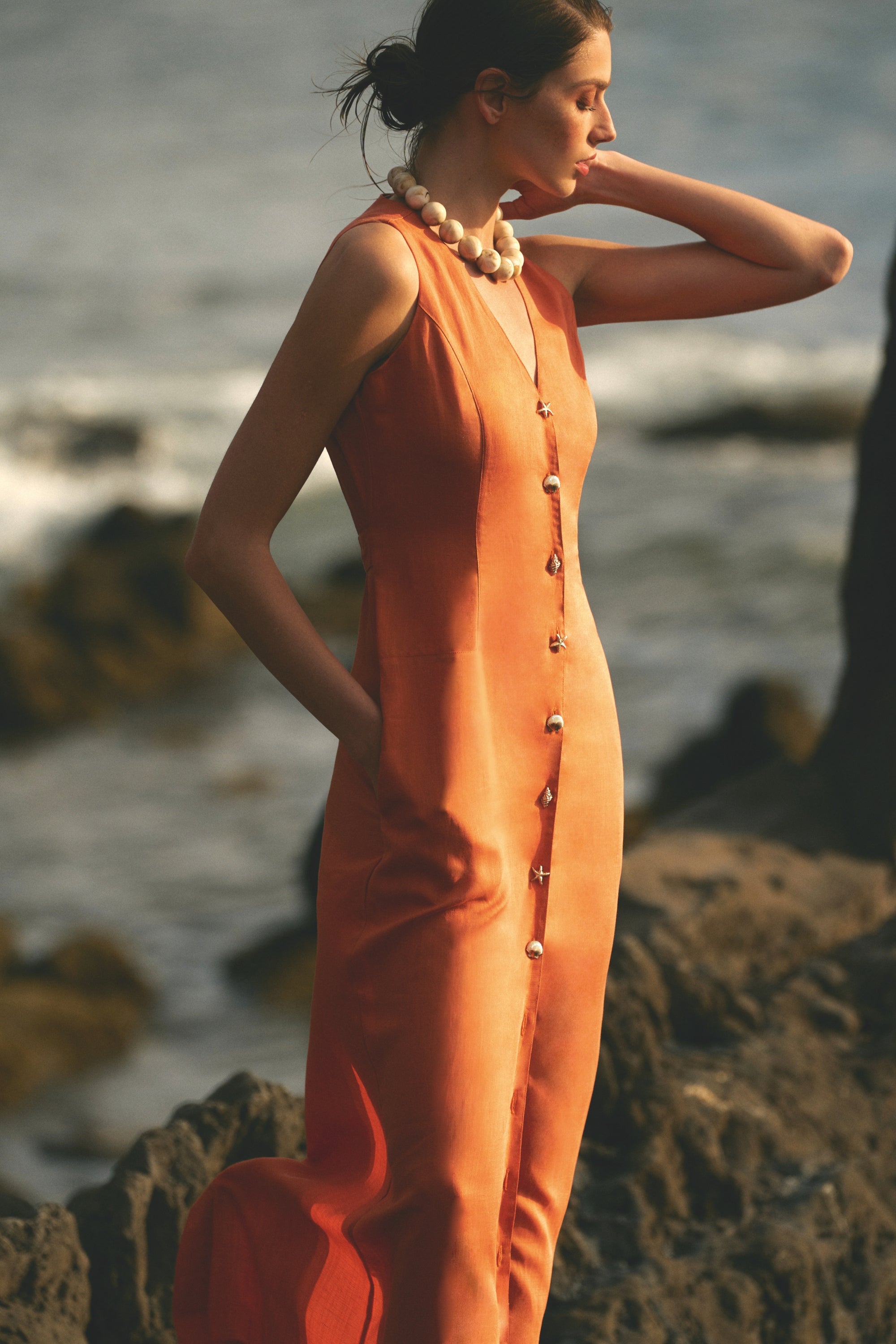
Also consider the top of the dress. A V-neck visually lengthens the torso and slims the line, a round or boat neck highlights the head carriage and shoulders, while a detailed back draws the eye to the back of the silhouette. If you have beautiful legs, a length above the knee or midi will showcase your walk, especially with a pair of heels or dressy sandals. The idea is not to show everything, but to choose a ceremony dress that guides the gaze towards your assets and immediately gives you more confidence.
For a wedding, soft shades (sage, dusty pink, midnight blue, champagne) or sober colors are preferred to keep the bride at the center of attention. These tones pair very well with delicate sandals, discreet heels, and a few subtle accessories. A gala or a formal evening event, on the other hand, allows for bolder more intense colors and brighter evening dresses, often in satin fabrics or flowing materials with a chic drape, also ideal for a cocktail dress. For a baptism or a daytime ceremony, light and natural tones, combined with lightweight fibers like cotton or an airy veil, work wonderfully. In all cases, adapt the color to your complexion and style so that your choice of ceremony dress maintains a harmonious silhouette and aligns with the dress code indicated on the invitation.
The most refined materials for a ceremony dress are silk, quality viscose, certain satin cottons, or a fluid satin, with touches of lace or veil, which allows offering models in different price ranges without sacrificing elegance. These fabrics provide a beautiful drape and a pleasant texture on the skin, while ensuring a sophisticated presence. The choice also depends on the season: favor lightweight materials in summer and denser fabrics for a winter wedding.
The important thing is to find the right balance between elegance and comfort. Block heel sandals, moderately high pumps, or dressy mules can perfectly complement an evening dress. If you are not comfortable in high heels, opt for a pair of lower but well-designed heels, or chic flat sandals, and choose a dress that elongates the silhouette through its cut.
A ceremony dress with a clean design is an ideal base for creating a very chic outfit. Start with the jewelry: a fine necklace to wear close to the neck with a round neckline, a delicate long necklace to elongate a V-neck, or a pair of bright earrings if you prefer to keep the neckline more understated. A rigid bracelet or cuff can add a modern touch to a solid evening dress.
For accessories, a refined clutch (metallic, textured, or slightly glittery), or a small elegant bag instantly enhances a simple evening dress. A belt can also redefine the waist and structure the shoulders, especially on a flowing or straight dress. For shoes, opt for heeled sandals or pumps: smooth leather, a patent finish, or a satin effect immediately give a ceremonial look, even with a minimalist dress.
Don’t forget the hairstyle and makeup, which are an integral part of the outfit. A loose bun, a half-up style, or soft blow-dry pairs very well with a simple ceremony dress. For makeup, a luminous complexion, a colored lip, or a slightly smoky eye is often enough to create a true evening look. The goal: keep the dress simple, but play with a few strong and well-chosen touches to transform it into an elegant outfit.
Long or midi dresses that are sophisticated are particularly suitable. The dress can feature a satin fabric, an original neckline, a backless design, or lace details. Deep colors like midnight blue, burgundy, or black remain safe choices, but a well-accessorized light shade can also be very chic.
The cocktail dress falls between the day dress and the evening gown: it is dressy enough for a formal event, while remaining easy to wear again and often offered at a more affordable price than a full-length formal gown. Its midi length or above the knee, structured cut, and refined details (pleats, drapes, worked collar) make it a versatile option, ideal for a wedding outfit, a baptism, or a professional dinner.
When you are petite, the goal is to create a nice vertical line to elongate the silhouette. Ceremony dresses just above the knee are a safe bet, but long dresses can also be an excellent choice if they are well cut: a defined waist (or slightly high), a fluid drape, and a length that reaches near the top of the foot, without cutting the ankle. However, avoid midi lengths that stop right in the middle of the calf, as they tend to shorten the look. Also avoid overly bulky volumes and favor reasonable heels to gain elegance without sacrificing comfort.
When wearing a plus size, the goal is not necessarily to slim down or lengthen the silhouette at all costs, but to find a ceremony dress in which you feel good, free to move, and perfectly yourself. Long or midi flowy ceremony dresses are lovely options, provided they remain balanced: a defined or belted waist to structure, a full skirt but not too voluminous, and well-supported shoulders thanks to stable straps or comfortable sleeves. Favor soft fabrics and drapes that follow the body without tightening it, as well as necklines in which you feel comfortable (V-neck, round, or wrap style according to your preferences). If you are very tall and do not want to emphasize this effect, a midi length or just above the ankle can be ideal: dressy enough for an evening dress or wedding attire, without giving the impression of “adding” even more height.