



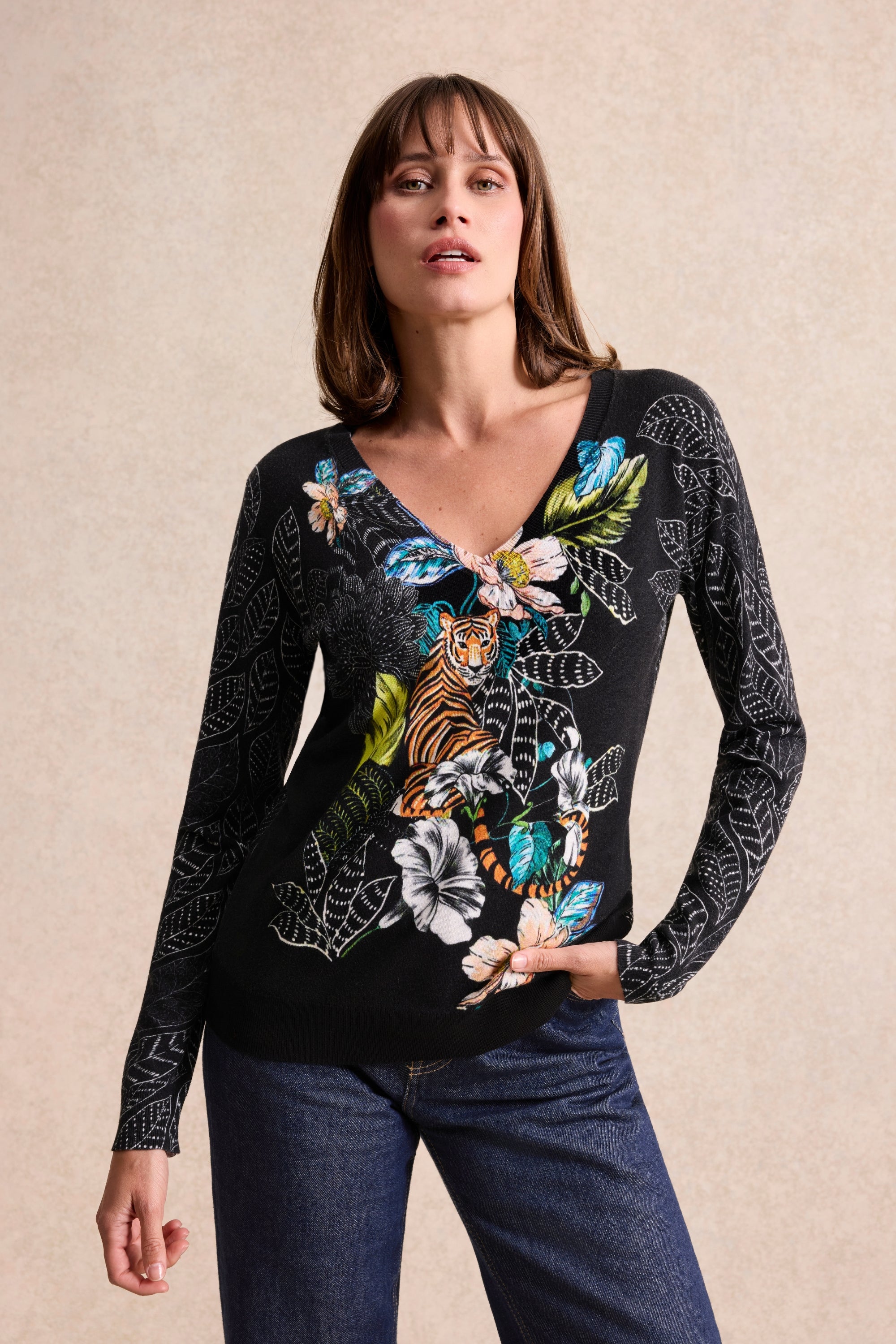


FAQ to learn everything about chic and elegant women's sweaters
The right style is rarely “the prettiest one in a photo.” The best approach is to start with you, your everyday life, and two or three very practical criteria.
1. Think first about how you’ll wear it, not the look you have in mind.
Ask yourself a simple question: when will you wear it?
- For the office and busy days, choose a clean cut and a fabric that holds its shape: that’s what instantly gives you a more elegant look, even with jeans.
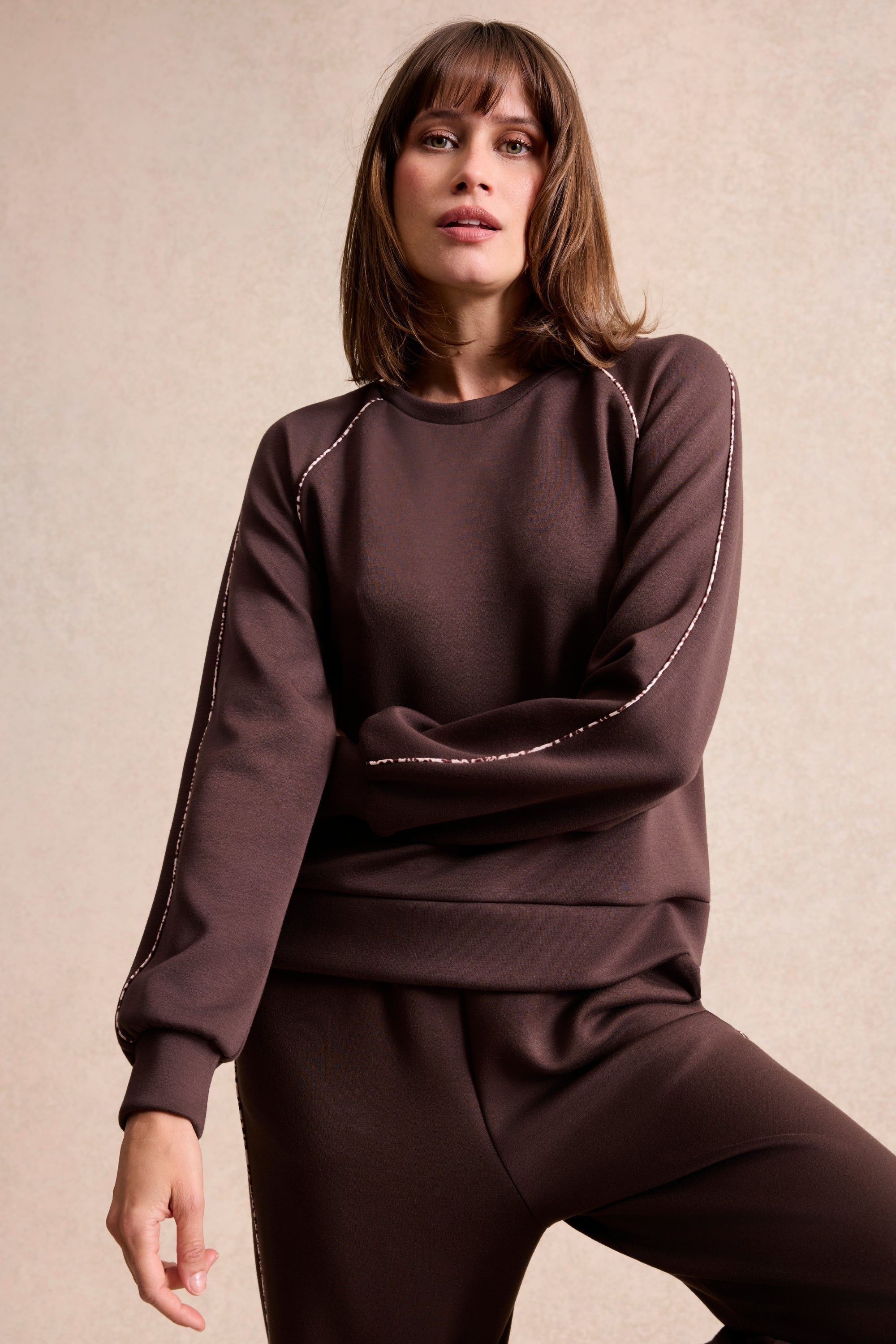
- For weekends and cozy days, you can opt for a looser fit, which is very comfortable, especially if the knit is beautiful and well structured.
- For transitional seasons, a lighter-weight piece or one that’s easy to layer will serve you much more often than a very thick sweater.
2. Choose a fit that makes you feel comfortable… quite literally.
The best indicator is your reaction in front of the mirror: if you keep tugging at it, pulling the sleeves up every thirty seconds, or getting annoyed by the neckline… it’s not “the right one,” even if it’s very pretty.
By contrast, a great sweater is one that sits well as soon as you put it on: shoulders in place, a length that works with your favorite bottoms, and instant comfort.
3. Identify what gives you a “refined” look: neckline, sleeves, length.
Everyone has their own “perfect sweater,” but there are some reliable guidelines:
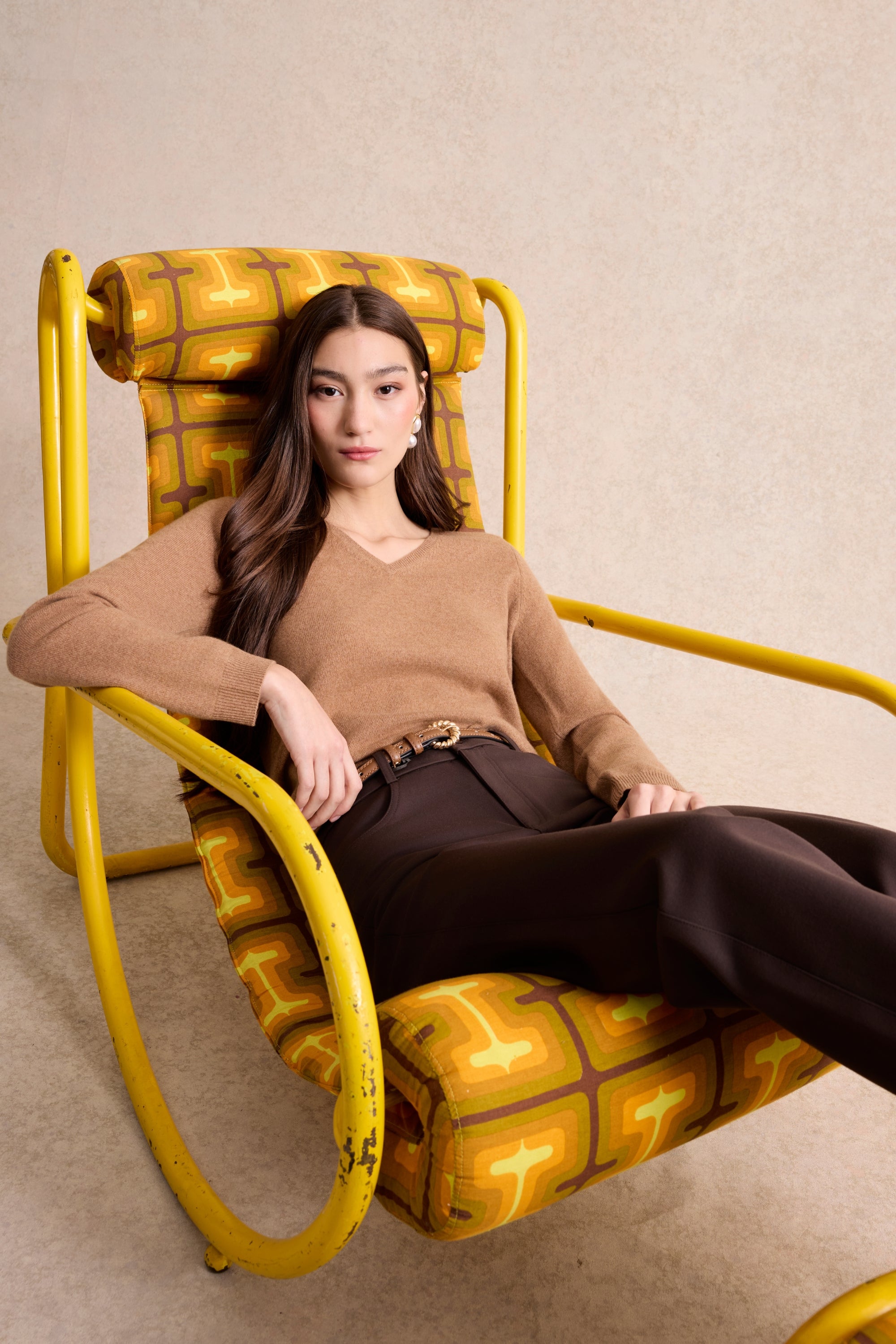
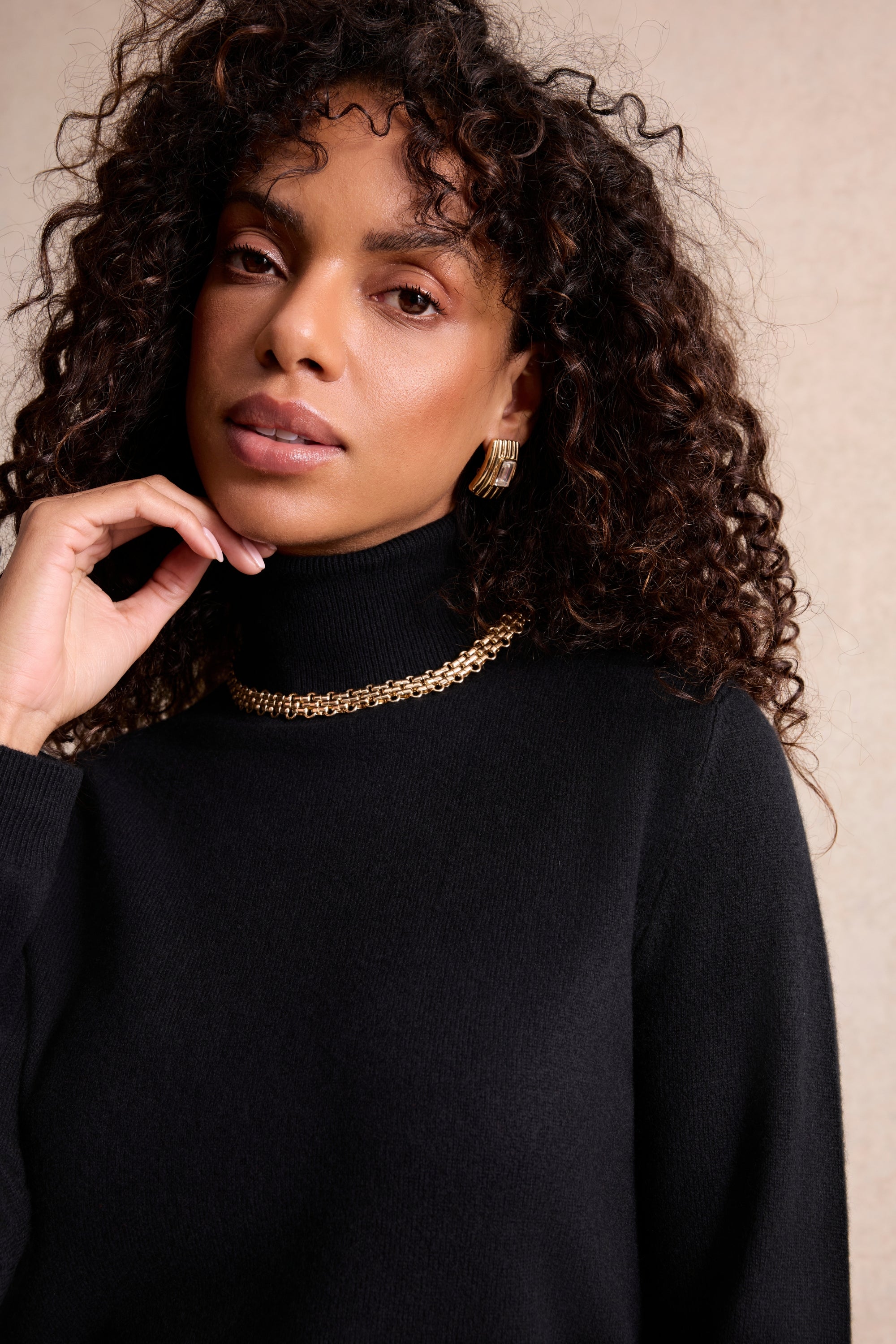
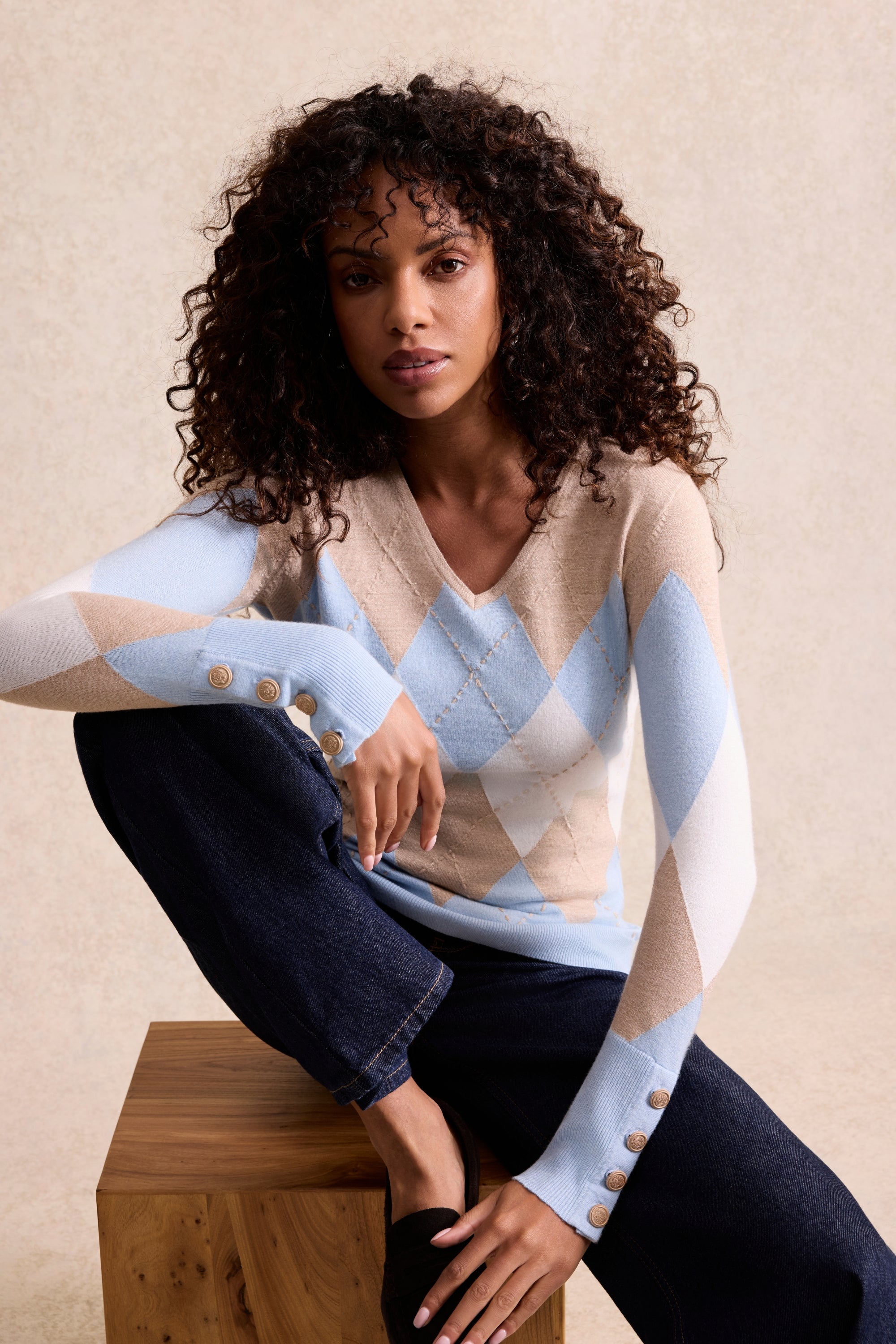
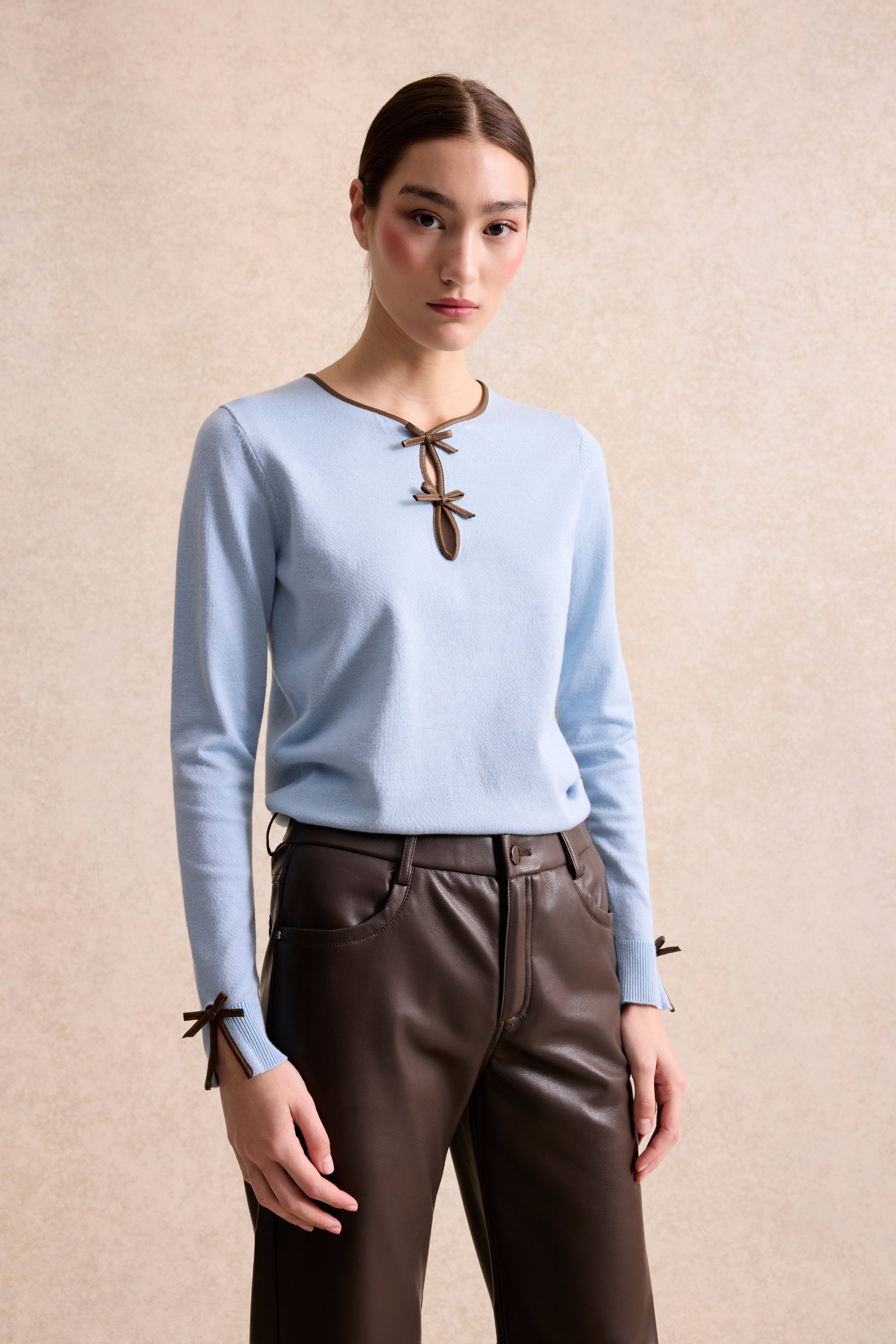
- A well-designed neckline (a perfect crew neck, a flattering V-neck) instantly changes your look.
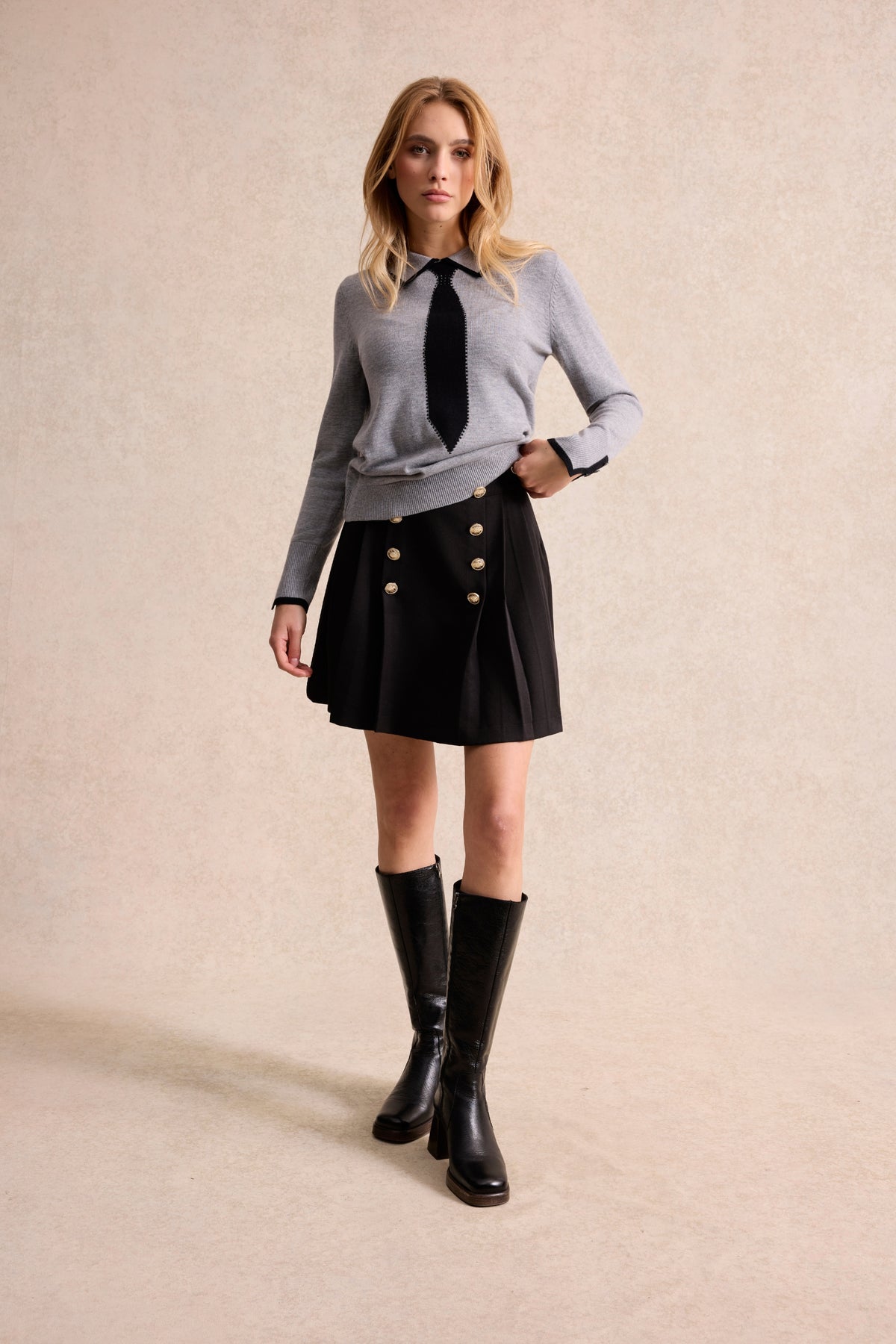
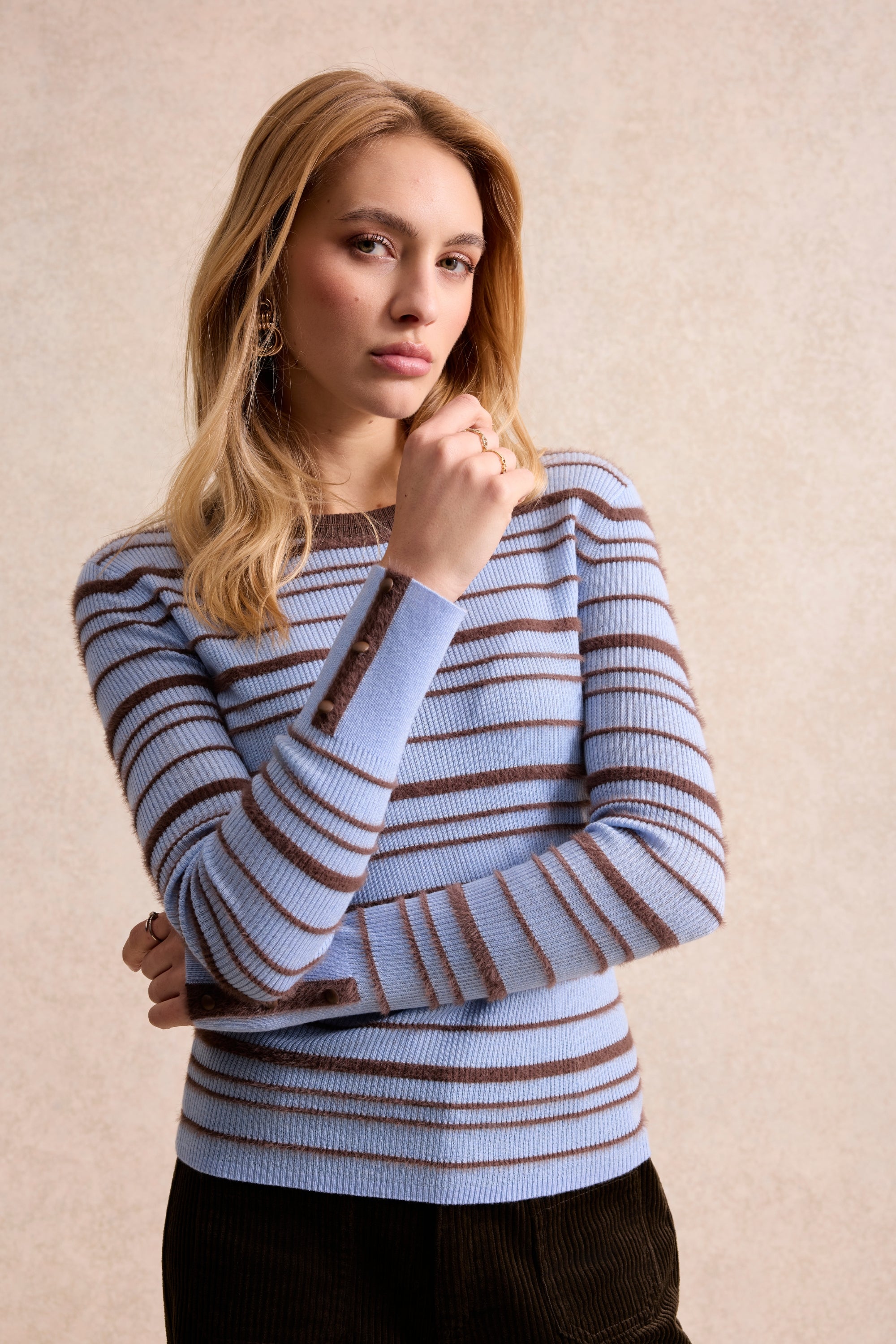
- Well-designed sleeves or a pretty finish add an original touch without going over the top.
- The right length (neither too short nor too long) makes it easy to wear with a variety of outfits: partially tucked in, worn loose, or belted.
4. Try the “3-outfit” test.
Before settling on a style, try to think of three outfits with things you already own: trousers, a skirt, jeans. If ideas come quickly, that’s a good sign. If you have to invent a parallel life where you wear pieces you don’t own… forget it.
5. Finally, the fabric should suit your needs.
If you’re looking for warmth, you need a denser knit. If you want a dressier piece, choose a fabric that drapes well and doesn’t lose its shape. Chic also means a sweater that holds its shape and structure.
In general, the right sweater depends mainly on two very simple things: the temperature (obviously) and how you spend your days. In winter, you want a knit that really keeps you warm but still holds its shape nicely: a denser knit, a cozy neckline, comfortable sleeves and a cut that lets you move without feeling “bundled up.” It’s also the season when textures take center stage: cable knits, decorative stitches, subtle jacquard… anything that adds dimension and a more dressed-up feel, even with a very simple bottom.
In autumn and early spring, the in-between season calls for finer knits and, above all, more flexibility. The perfect sweater is often lighter and easy to layer under a trench coat, a smart jacket or a not-too-heavy coat. It’s also the ideal time to play with layers: a shirt peeking out at the collar, an open cardigan that elongates your silhouette, or a fine fabric that instantly gives you a more polished look.
When the days are mild, fine knits become your best allies. A lighter piece with a well-defined neckline can be worn on its own without making you feel “too dressed up” or “too covered up.” And if you like a more fashion-forward look, a sleeveless sweater over a shirt can be a very chic option with no effort.
And then there are those “in-between” periods when the weather changes its mind every three hours: that’s when the right choice is one that adapts. A cardigan or a vest you can easily take off and put back on, a breathable fabric, a cut that slips under a jacket without creating awkward creases… in short, a piece that goes with you without making life complicated. The best sweater is often the one you wear often, precisely because it works across more than one season.
For a truly chic sweater, the material makes almost all the difference: it determines the drape, comfort, how well it holds up over time (and how patient you’ll need to be with pilling). Reliable choices are still natural or mostly natural fibers: wool (including merino for a finer, more comfortable feel), alpaca for a cozy, warm feel, cashmere for softness and elegance, or thoughtfully chosen blends that add durability without sacrificing softness.
A good rule of thumb is to look for a knit that holds its shape and doesn’t “sag” throughout the day: a quality sweater keeps its shape, doesn’t stretch out at the elbows, and still looks good after several wears.
1. A body shape (pear-shaped / more prominent hips)
L’The idea is to draw the eye upward: a more open neckline (V-neck or boat neck), shoulder details, statement sleeves, or textured knitwear on the bodice. Straight or slightly oversized cuts work very well, especially if you keep the bottom half simpler.
2. V body shape (broader shoulders)
The aim is to soften your shoulders and balance your lower half: choose knits with a lovely drape and softer necklines (crew neck or not-too-wide V-neck), and avoid very pronounced shoulder volume. A slightly longer sweater or a straight cut often helps bring the whole look into balance.
3. H body shape (fairly straight silhouette)
The key here is to create dimension without “cutting off” your silhouette: a slightly oversized sweater, textured knit, ribbed details, or layers (a shirt underneath, an open cardigan) work very well. If you like to define your waist, a partial front tuck or a thin belt over a soft fabric can also add structure.
4. X body shape (defined waist, balanced shoulders and hips)
You’re lucky to be able to wear many styles: fitted cuts, straight cuts, carefully chosen oversized styles… anything can work. If you want to emphasize your waist, choose lengths that hit just the right spot (not too long, not too short), or add a subtle belt to a fluid knit.
5. 8 body shape (hourglass with fuller curves)
The most flattering option is often something that follows your shape without clinging: a well-structured knit, a lengthening neckline, and a straight, slightly structured cut. Very thick, bulky knits can sometimes look “heavy,” so it’s better to choose quality knitwear with a lovely drape.
6. O body shape (round)
The goal isn’t to “hide” but to feel good and look your best: choose knitwear that skims your silhouette, straight or slightly loose cuts, and necklines that open up (V-neck, wide crew neck). Vertical layers (open cardigan, long coat) often look very chic and create a lengthening effect.
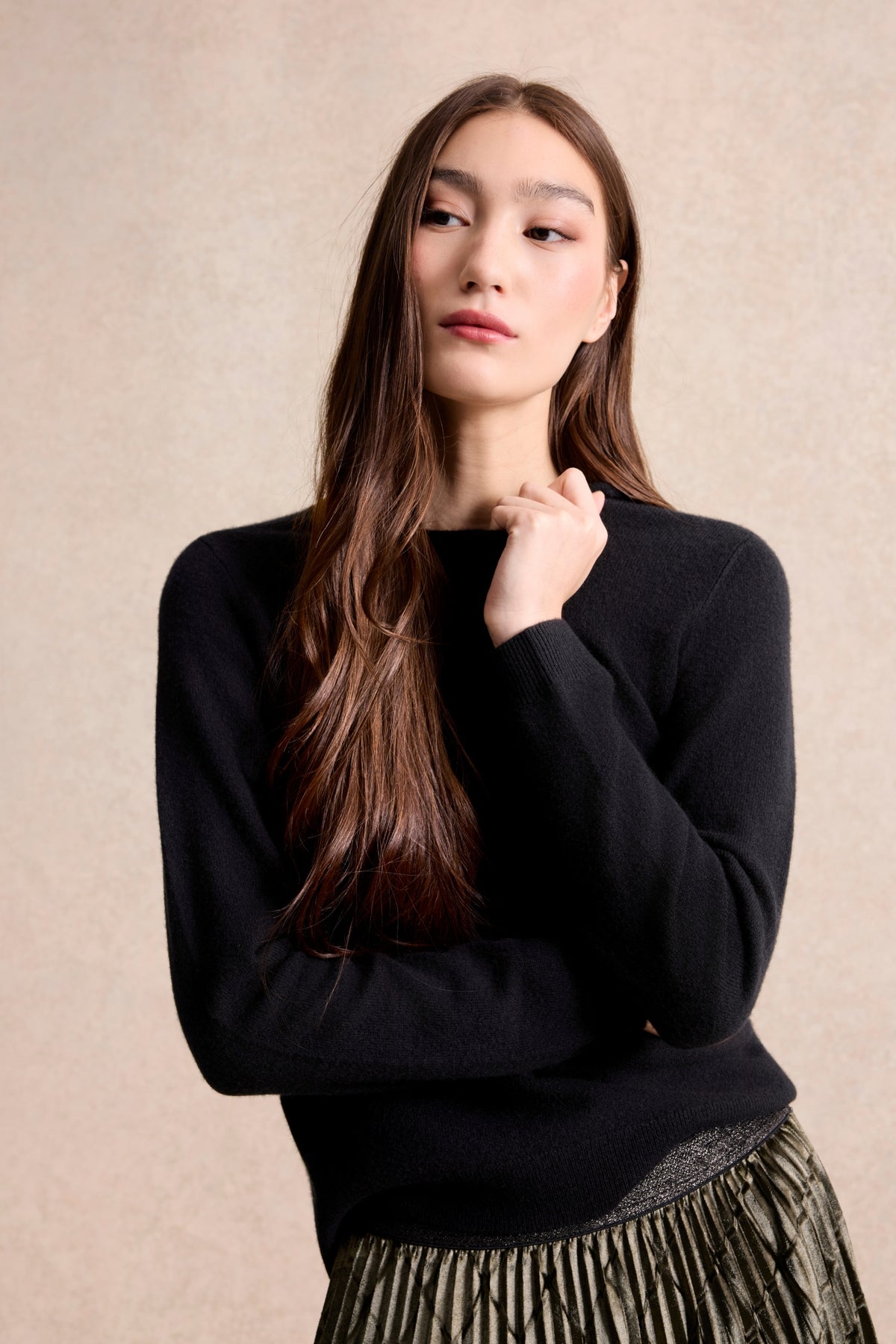
To pair a chic, original sweater without overthinking it, the simplest approach is to think in terms of balance: if the sweater already draws attention (textured fabric, graphic pattern, statement sleeves, oversized fit), the rest of the outfit can stay simpler. Straight-leg trousers or jeans, a plain midi skirt… and your sweater does all the work on its own, without making the outfit feel busy. Conversely, if your sweater is understated but very well cut, you can opt for a bolder piece on the bottom (satin fabric, subtle pattern, relaxed fit) to keep things stylish but balanced.
Next, think “structure,” because that’s often what makes an outfit look chic: a blazer, a long coat, a neat cropped jacket… even a very cozy sweater instantly looks more polished with a well-structured outer layer. And to avoid a “sack” effect with a loose knit, a small styling trick is often enough: a partial front tuck, a thin belt over a soft fabric, or a shirt collar peeking out slightly to create clean lines.
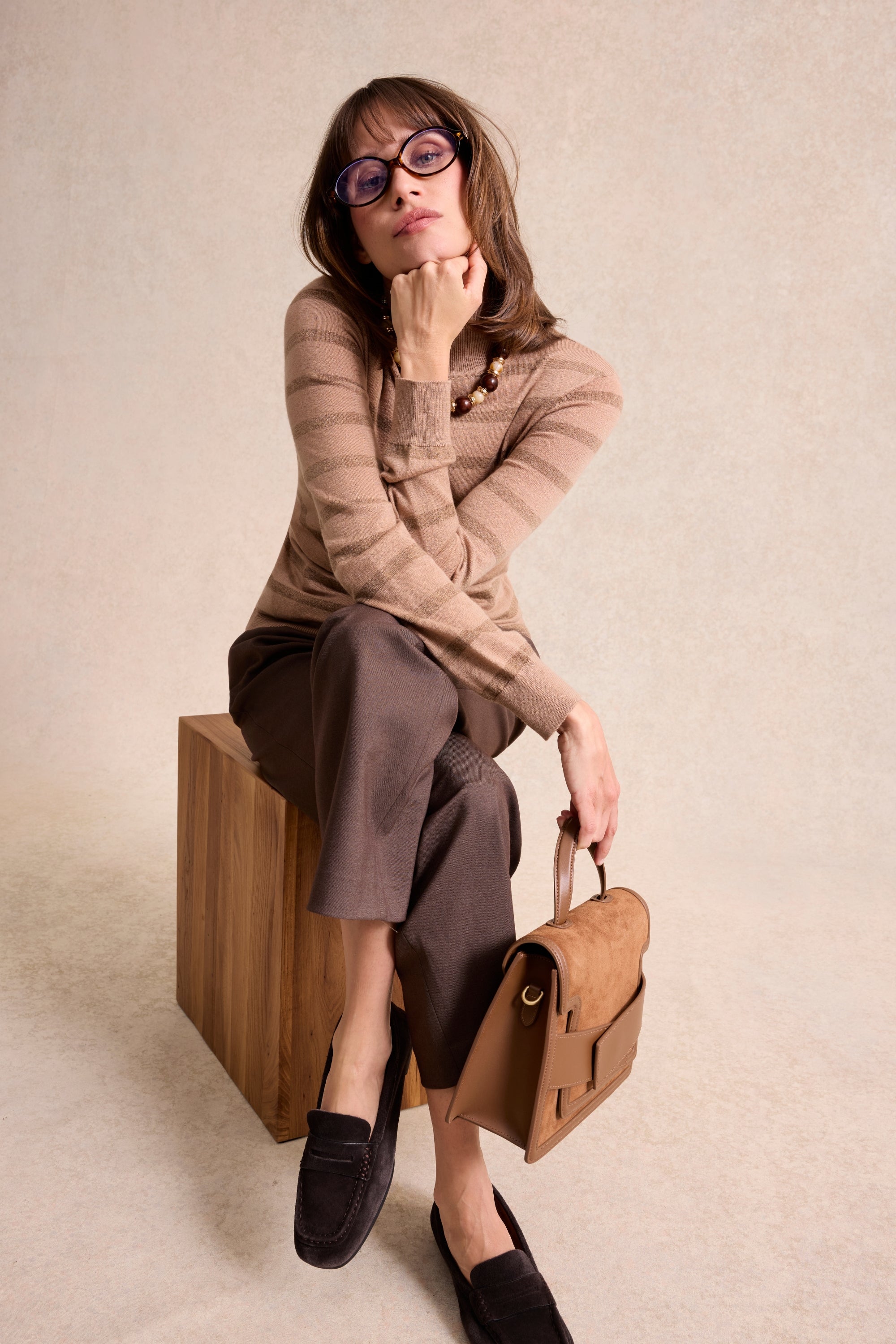
When it comes to shoes and accessories, that’s where you can put your stamp on the look: ankle boots, loafers, minimalist sneakers, and a leather bag. Add a piece of jewelry to complement the neckline, and you have a thoughtfully styled outfit.